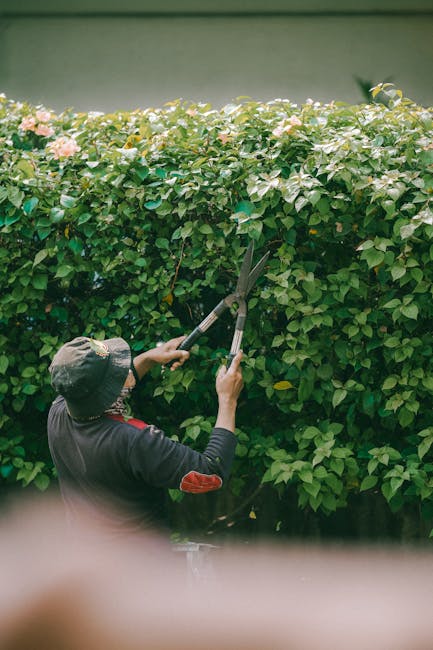
What to know about garden maintenance quotes in SE26
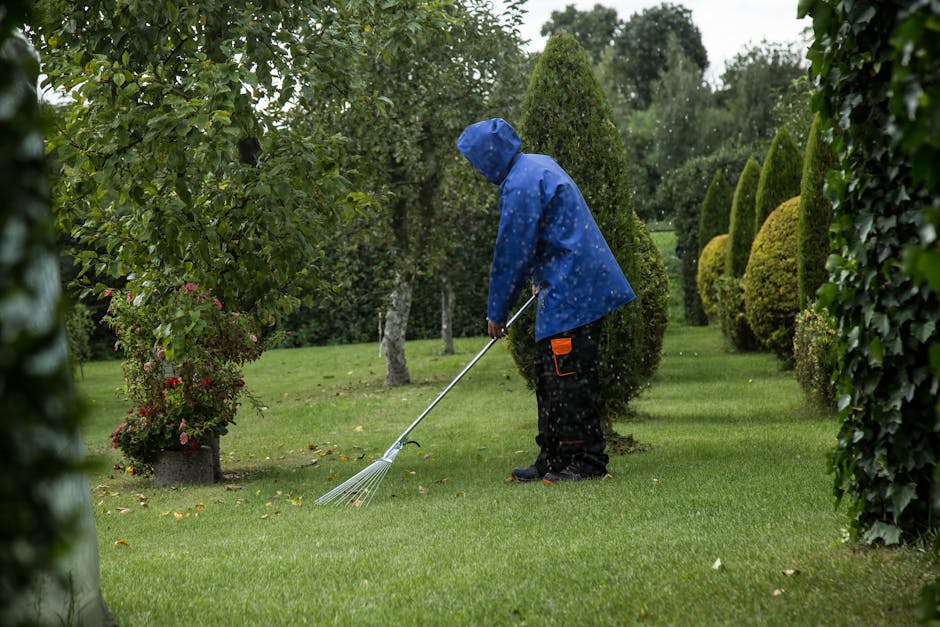
If you are comparing garden maintenance quotes in SE26, the tricky part is not just finding a price. It is figuring out what that price actually covers, whether the quote is realistic for your garden, and how to compare one provider against another without getting caught out by vague wording. A tidy garden can change the feel of a home almost overnight, but the quote process can feel oddly confusing. What looks like a simple mowing job may hide hedge cutting, clearance, waste removal, or extra labour for awkward access.
This guide walks through the practical side of getting quotes for garden maintenance in SE26, with a local lens and enough detail to help you make a calm, sensible decision. You will learn what affects pricing, how quotes are usually structured, what to ask before you agree to anything, and where people often trip up. If you want a wider view of available work, the services overview is a useful place to start, and for ongoing upkeep, the garden maintenance service gives a better sense of what regular care can include.
Why garden maintenance quotes in SE26 matter
SE26 covers a mix of property types, from compact front gardens to larger, layered spaces with mature shrubs, hedges, and the occasional stubborn corner that seems to grow faster than everything else. That variety is exactly why garden quotes are worth taking seriously. Two gardens on the same street can be wildly different in time, tools, and disposal needs. One might need a quick tidy. Another may need proper pruning, clearance, and a plan for keeping it under control through the year.
A quote matters because it sets expectations. Not just price, but scope, frequency, timing, and the standard of finish. A cheap estimate that leaves out waste removal or hedge trimming can end up costing more once the extras appear. On the other hand, a detailed quote can help you compare like for like. That is the real value here. You are not simply buying labour; you are buying certainty.
It also helps with budgeting. If you know whether a provider is pricing per visit, per hour, or per task, you can decide whether a one-off visit or recurring maintenance is better for your garden. For example, a small terrace garden with regular mowing and light edging may do well on a planned maintenance schedule, while a neglected plot might need an initial garden clearance before any maintenance plan actually makes sense. Different job, different quote. Fair enough.
Expert takeaway: A good garden maintenance quote should explain the work, the access, the waste, and the follow-up plan. If it only gives you a number, you do not yet have enough information.
How garden maintenance quotes work
Most garden maintenance quotes begin with an assessment. Sometimes that is a site visit, sometimes a set of photos, and sometimes a short call followed by a rough estimate. For straightforward jobs, a well-taken photo set can be enough. For larger or more complex gardens, a visit usually leads to a more accurate figure because the provider can see slopes, access points, overgrowth, and any awkward bits that never show up properly in pictures.
The quote may be based on time, task, or a fixed package. A time-based quote is common where the level of work is uncertain, such as a garden that has been left for a while and needs a bit of everything. Task-based pricing is more specific, such as lawn mowing, hedge trimming, or clearing a defined area. Some providers also offer regular maintenance plans that bundle weekly, fortnightly, or monthly visits into one agreed arrangement.
In a proper quote, you should expect to see:
- what tasks are included
- whether waste removal is included
- how access and parking affect the job
- any extra charges for difficult conditions
- the proposed timing or schedule
- payment expectations and any deposit terms
If the garden also needs more structural improvement, the quote may shift toward broader work such as landscaping or landscape gardening. Those are different from maintenance, so the quote should make that distinction clear. No one likes a surprise halfway through a job. Well, unless it is a nice surprise.
Key benefits and practical advantages
There are several real advantages to getting a proper quote rather than an offhand estimate. The first is clarity. You can see what is included and judge whether the provider has understood the garden properly. The second is control. You can decide what to prioritise now and what can wait until later. The third is predictability, which matters more than people sometimes admit. A stable, well-structured maintenance plan tends to be less stressful than repeatedly firefighting an overgrown garden every few months.
Here are the practical gains most homeowners notice:
- Better budget planning: You know whether you are facing a one-off tidy-up or recurring maintenance costs.
- Less confusion: The work should be defined clearly, so you are not guessing what the gardener meant.
- More efficient upkeep: Regular maintenance usually keeps jobs smaller and easier over time.
- Improved comparison: You can compare providers on scope, quality, and value rather than just headline price.
- Stronger trust: A detailed quote often signals a provider that takes the job seriously.
There is also a quieter benefit: peace of mind. A neglected outdoor space can feel a bit heavy, especially if you see it every day from the kitchen window. When maintenance is quoted properly and handled well, the whole place feels easier to live with. Less clutter, less noise, more light. Simple, but noticeable.
Who this is for and when it makes sense
Garden maintenance quotes in SE26 are useful for a lot of people, not just homeowners with large gardens. In practice, they help anyone who wants the outdoor space to look decent without guessing what the work will cost.
This is especially relevant if you are:
- a homeowner trying to keep a family garden under control
- a landlord preparing a property for tenants or inspections
- a busy professional who wants recurring upkeep without constant managing
- someone dealing with seasonal growth after a long stretch of neglect
- an older resident who wants help with regular physical garden work
- a property manager comparing service levels across several sites
It also makes sense when your garden has mixed needs. For example, you may need mowing, hedge work, and light clearance, but not full redesign. In that case, a combined quote can be more efficient than booking each task separately. If the job starts leaning toward structural changes, decking, or reworking the space, then a broader service may be more appropriate, such as decking services or wider landscaping.
Truth be told, the right time to ask for a quote is usually before the garden becomes a problem. Once the hedges are overgrown and the lawn has turned into a patchy field of regret, the job gets harder. And pricier, usually.
Step-by-step guidance
If you want a quote that is useful rather than vague, follow a sensible process. It does not need to be complicated.
- Walk the garden first. Make a quick note of what actually needs doing: mowing, pruning, weeding, clearance, hedge trimming, leaf removal, or general tidying.
- Take clear photos. If you are requesting an initial estimate remotely, capture the full garden, awkward access points, and any problem areas. A dark, blurry photo of half a fence is not much use, to be honest.
- Separate routine work from extra work. Regular maintenance is one thing; one-off clearance or tree work is another. If a tree is part of the job, ask whether it sits within general maintenance or needs specialist attention such as tree lopping and removal.
- Ask what the quote includes. Specifically check labour, equipment, waste disposal, and whether the provider will bag or remove green waste.
- Compare more than price. A lower quote is not automatically better if it excludes key tasks. Compare scope, timing, communication, and aftercare.
- Confirm the schedule. If you need regular visits, ask how often the service is intended to run and whether that frequency can be adjusted seasonally.
- Read the terms. Make sure payment timing, cancellation conditions, and any minimum visit charges are clear. The terms and conditions should help define that.
A decent provider should be happy to explain the quote in plain English. If the answer feels slippery, it is okay to pause. You are not being difficult; you are being careful.
Expert tips for better results
After years of watching garden quotes go well and go sideways, a few patterns stand out. Small details matter. Quite a lot, actually.
- Be specific about your goals. "Tidying up" can mean different things to different people. Say whether you want a light refresh, a seasonal reset, or ongoing upkeep.
- Tell the provider about access issues early. Narrow side gates, limited parking, shared driveways, and basement-level gardens can all affect time and pricing.
- Ask how waste will be handled. Green waste can be a major factor, especially after hedge cutting or clearance work.
- Request a written breakdown. Even a short one helps prevent misunderstandings later.
- Think in seasons. Spring and autumn often bring different maintenance needs. A quote that works well in May may not suit November.
- Look for practical sequencing. If a garden is heavily overgrown, a first visit might be about clearing and reshaping, with routine maintenance starting afterwards. That is often the most sensible approach.
One useful habit is to ask what the quote assumes. For example, does it assume the lawn is already clear of debris? Does it assume no heavy lifting? Those assumptions can change a quote quite a bit, and they are easy to miss if you do not ask. Little things, big difference.
Common mistakes to avoid
People often make garden quote decisions too quickly because they are keen to get the job done. Understandable. But the most common mistakes are usually avoidable.
- Choosing the cheapest quote without checking scope. If waste removal or hedge cutting is excluded, you may end up paying more later.
- Not mentioning access problems. If the gardener turns up expecting easy access and finds the opposite, the quote may no longer fit the real job.
- Using one photo and hoping for the best. One close-up of a border is not a proper view of the work. The whole picture matters.
- Mixing maintenance with improvement work. A maintenance quote is not always suitable for major redesign or structural changes.
- Forgetting about regularity. A quote for one visit may look fine, but if you need recurring visits, you should ask what ongoing care will cost.
- Ignoring the fine print. Payment terms, minimum charges, and cancellation windows can all affect the real value of the quote.
A common one, and I say this kindly, is assuming all garden work is basically the same. It is not. Mowing a flat lawn in good condition is a different job from clearing brambles, reshaping a hedge, or dealing with overgrowth after months of wet weather. That difference shows up in the quote for a reason.
Tools, resources and recommendations
You do not need specialist knowledge to get a better quote, but a few basic tools make the process smoother.
- Photos and short videos: Useful for showing the full garden, especially if access is tricky.
- A simple note list: Write down each task you want included so nothing gets missed.
- Measurements where helpful: Approximate lawn size, hedge length, or the amount of clearance needed can improve accuracy.
- Calendar reminders: Handy if you want quotes for seasonal work before the rush starts.
- A comparison sheet: A small table with provider, scope, schedule, and price can save a lot of head-scratching later.
It is also worth looking at the provider's wider service and values, not just the quote itself. For example, a business that explains its approach to recycling and sustainability may handle green waste more thoughtfully, while insurance and safety information can give you a better sense of professionalism and risk awareness. If you want to understand the company behind the work, the about us page can help too.
For straightforward payment reassurance, the payment and security page is a sensible place to check before agreeing to any work. Not glamorous, but useful. Very useful.
Law, compliance, standards, or best practice
For most garden maintenance jobs, the key issue is not heavy regulation in the way you might see with building work, but there are still important best-practice expectations. A reputable provider should work safely, communicate clearly, and handle waste responsibly. If tree work is involved, safety standards and competence become more important because the risks rise quickly when cutting larger limbs or dealing with unstable material.
If a quote includes more than basic maintenance, it should be sensible about risk. For example, a provider should consider safe working methods, appropriate tools, and the limits of what can be done without specialist equipment. They should also be upfront if a job requires more than routine garden care. That is particularly relevant where branches are high, access is restricted, or the task may involve removal rather than simple pruning.
General best practice also means clear communication around waste disposal, property protection, and boundaries. If the work could affect neighbours, shared access, or communal areas, that should be discussed early. In London, that practical awareness matters. Gardens are often close together, and a clean job on one side of a fence can still create frustration on the other if the details are sloppy.
It is worth checking that the provider has sensible policies in place. The pages on health and safety policy and complaints procedure can tell you a lot about how seriously a business takes accountability. Not exciting reading, admittedly. But it tells a story.
Options, methods, or comparison table
When people ask for garden maintenance quotes, they are often really choosing between a few different ways of working. The right option depends on the state of the garden, how much time you want to spend managing it, and whether you want one-off help or something ongoing.
| Quote type | Best for | Pros | Watch-outs |
|---|---|---|---|
| One-off tidy-up | Gardens that need a reset or seasonal refresh | Quick to arrange, useful for immediate improvement | May not solve ongoing growth issues |
| Task-based quote | Clear jobs like mowing, hedge cutting, or clearance | Easy to understand, easier to compare | Can miss extra work if the garden is more complex than expected |
| Regular maintenance plan | Gardens that need frequent care | More consistent, often better long-term value | Needs good communication about frequency and scope |
| Clearance followed by maintenance | Overgrown or neglected gardens | More realistic for heavily worked sites | Usually requires two stages and clearer planning |
If your garden has become messy but not yet unmanageable, a regular plan is often the neatest solution. If it has gone well past that point, a phased approach tends to be better. First clear it, then maintain it. Simple logic, really.
Case study or real-world example
Imagine a small SE26 rear garden with a lawn, two hedges, a few beds, and a path collecting leaves and moss. The owner wants it to look tidy for family visits, but they do not need a redesign. The garden has been looked after sporadically, so the first quote comes back with separate lines for mowing, hedge trimming, weeding, and waste removal. One provider offers a low headline price but leaves disposal unclear. Another is slightly higher, but the work is more clearly defined and includes the green waste.
In this situation, the second quote may actually be the better value. Why? Because the scope is honest. There is less risk of add-ons, and the owner can see what will happen on the day. After the initial visit, the provider suggests a lighter recurring schedule, which keeps the garden manageable without a full-day overhaul each time. That is often how the best arrangements work in real life. A bit of sorting out first, then less drama later.
Now imagine a different case: a larger garden with overgrown shrubs, a tired boundary line, and a cluttered corner full of old pots and debris. That job might begin as clearance rather than maintenance. If the quote is written as though it were only a mow-and-tidy job, the homeowner is likely to be disappointed. The useful lesson? The more honest the assessment, the better the outcome.
Practical checklist
Use this quick checklist before you agree to any quote.
- Do I know exactly which tasks are included?
- Has the provider seen clear photos or visited the garden?
- Is waste removal included or priced separately?
- Have I explained access, parking, and any awkward corners?
- Do I understand whether this is a one-off job or an ongoing plan?
- Have I compared more than just the price?
- Are payment terms and timing clear?
- Do I need maintenance, clearance, landscaping, or a mix of all three?
- Have I checked safety and insurance information where relevant?
- Am I comfortable that the quote matches what I actually want done?
If you can tick most of those off, you are in a much stronger position. If not, ask again. It is your garden, after all.
Get a free quote today and see how much you can save.
Conclusion
What to know about garden maintenance quotes in SE26 comes down to this: a good quote should be clear, specific, and realistic for the condition of your garden. Price matters, of course, but so do scope, waste handling, timing, and whether the provider understands the actual job rather than just the postcode. The best quotes remove uncertainty, which is half the battle when you are trying to keep an outdoor space in good shape.
If you take the time to compare properly, ask a few grounded questions, and choose the right level of service for the state of the garden, you will usually end up with better value and less hassle. And that is what most people really want. Not the fanciest wording. Just a garden that feels looked after, week after week, without turning into a project you have to think about all the time.
When in doubt, start with the scope, then the price. Not the other way round.
Frequently Asked Questions
What should a garden maintenance quote in SE26 include?
A solid quote should list the tasks covered, such as mowing, hedge trimming, weeding, edging, or clearance, plus whether waste removal, equipment, and labour are included. It should also make any limits or extras clear.
Is it better to ask for a fixed price or an hourly rate?
It depends on the job. A fixed price is often easier for clearly defined work, while an hourly rate can suit gardens where the exact amount of work is uncertain. For comparison, fixed pricing is usually simpler for most homeowners.
Why do two quotes for the same garden sometimes differ so much?
Usually because the providers have made different assumptions about access, waste, condition, time required, or the level of detail needed. One quote may include more than the other, even if the headline price looks close.
Should I get a quote for one-off work or regular maintenance?
If your garden is fairly manageable, one-off work may be enough. If growth is constant or you want the space to stay tidy year-round, regular maintenance is usually better value and less stressful.
Do I need to mention access issues before getting a quote?
Yes. Narrow side access, stairs, shared entrances, limited parking, and rear-only gardens can all affect labour time and the practicalities of the job. Mentioning them early helps avoid surprises.
Can a garden maintenance quote include clearance work?
It can, but it should be clearly stated. Clearance and routine maintenance are not always the same thing. If the garden is heavily overgrown, you may need a first-stage clearance before routine upkeep starts.
What is the difference between garden maintenance and landscaping?
Garden maintenance is ongoing care: mowing, pruning, trimming, and tidying. Landscaping is broader and often involves changing the structure or layout of the garden, such as new surfaces, borders, or features.
How do I know if a quote is too cheap to be realistic?
If the price is far below others and the scope is vague, that is a warning sign. Cheap quotes can exclude waste removal, extra labour, or key tasks. Ask for a breakdown before deciding.
Should I ask about insurance and safety?
Yes, especially if the job involves ladders, larger tools, tree work, or anything that could affect property or people. Clear insurance and safety information is a good sign of a professional approach.
How often should garden maintenance be booked?
That depends on the garden and the season. Some spaces need weekly or fortnightly care in spring and summer, while others are fine with monthly visits. A good provider should help match frequency to the garden rather than pushing a one-size-fits-all plan.
What if I am not sure what work my garden needs?
That is common. Start with photos and a short explanation of what feels wrong: overgrown hedges, messy borders, patchy lawn, or general clutter. A provider can usually help turn that into a practical quote.
Where should I start if I want a proper quote?
Start by gathering photos, writing down the tasks you want done, and checking the provider's wider information pages, including pricing, safety, and service details. That gives you a much clearer basis for comparison and makes the process smoother from the outset.