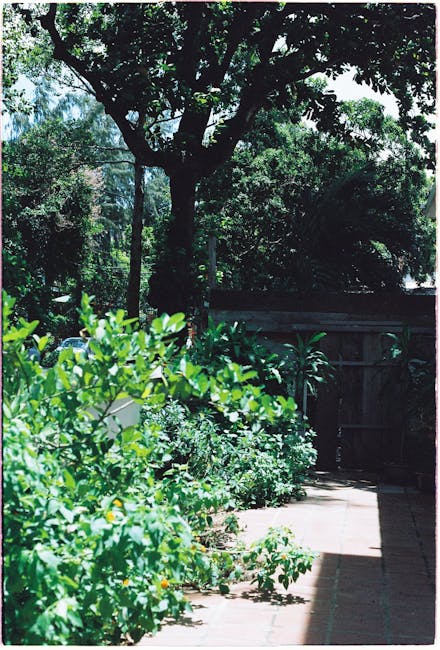
Gardeners for terraces on Dalyell Road Sydenham: a practical guide to making compact outdoor space work beautifully
If you live on Dalyell Road in Sydenham, you already know the terrace lifestyle has its own rhythm. The space is usually smaller, often shaded in parts, and it needs a smarter approach than a big suburban garden. That is exactly where Gardeners for terraces on Dalyell Road Sydenham make a real difference. They do more than tidy up a few pots or sweep leaves. They help turn a narrow outdoor area into a space that feels calm, usable, and genuinely looked after.
In this guide, we will look at what terrace gardening really involves, how it works in practice, what to watch out for, and how to choose the right approach for a compact London terrace. You will also find a checklist, a comparison table, and a realistic example so you can judge what makes sense for your own home. Simple enough. But useful, too.
Why Gardeners for terraces on Dalyell Road Sydenham Matters
Terraces are lovely, but let's face it, they can be awkward. They collect windblown debris, dry out quickly in summer, and get messy in a way that somehow feels more visible than a bigger garden. If the terrace is your only outdoor space, every square metre matters. A missed weed, a tired planter, or a patch of algae on decking can make the whole area feel neglected.
That is why a terrace-focused gardener is not just a luxury. It is often the difference between an outdoor area you avoid and one you actually use. On Dalyell Road, where homes can have compact paved gardens, raised beds, or decked seating areas, the job is rarely about "doing everything." It is about making the right improvements, in the right order, without wasting space or money.
There is also a practical side. Terraces need regular attention because smaller spaces show problems quickly. Drainage issues, overgrown climbers, blocked gullies, and poorly chosen pots can build up before you know it. One wet week and the patio goes slick. One warm spell and the container plants look thirsty and sad. Not dramatic, just true.
For many households, terrace maintenance also supports property presentation. A neat outdoor area helps if you rent out, are preparing for sale, or simply want your home to feel more finished. If you need broader upkeep beyond the terrace itself, garden maintenance can be a sensible starting point, especially when the outdoor space needs routine care rather than a one-off makeover.
How Gardeners for terraces on Dalyell Road Sydenham Works
Good terrace gardening starts with a simple assessment. A proper gardener will look at how the space is used, where the light falls, what materials are already in place, and what is causing the main headaches. Is it overgrown planting? Is the seating area too exposed? Is the terrace looking cluttered because there is no plan for storage or planting structure?
From there, the work usually falls into a few layers:
- Cleaning and clearance: removing waste, leaves, dead growth, broken pots, and anything else making the area feel cramped.
- Plant management: cutting back, deadheading, reshaping, and replacing plants that are no longer doing their job.
- Surface care: sweeping, washing, treating moss or algae where appropriate, and keeping paths or decking safe.
- Structure and layout: improving planter placement, creating visual balance, and making sure the terrace still feels like a usable room.
- Ongoing maintenance: setting a practical routine so the space stays tidy rather than slipping back into chaos after two weeks. It happens.
Some terraces need seasonal support only. Others need monthly or fortnightly visits. The difference usually depends on how much planting is involved, how exposed the site is, and how much you want the space to "perform" visually throughout the year. If you want a wider service menu, services overview is a helpful place to understand how different tasks fit together.
And for terraces that include hard landscaping or timber features, the approach becomes a bit more layered again. A small decked area, for example, may benefit from periodic attention alongside decking services or broader landscaping work if the layout itself needs a rethink.
Key Benefits and Practical Advantages
The obvious benefit is that your terrace looks better. But that is only the starting point. The stronger gains are practical.
1. Better use of limited space
A terrace should feel intentional. The right plant choice, container size, and layout can make a narrow area feel bigger. Small changes matter here. Repeating a few planter styles, keeping circulation clear, and avoiding clutter can make the whole area feel calmer at a glance.
2. Less ongoing stress
Many people say they want a terrace but then find themselves avoiding the maintenance. That is normal. A maintenance plan takes the guesswork out of it. You stop asking, "What should I do with this corner?" every weekend.
3. Healthier plants
Terrace planting can be tough because pots dry out quickly and wind exposure can be harsher than in a sheltered garden. A gardener who understands terrace conditions can choose the right plants, improve watering habits, and keep things looking fresher for longer.
4. Safer surfaces
Wet paving, algae, and leaf build-up can make terrace areas slippery. Regular attention helps reduce that risk. That matters if children, older relatives, or visitors use the space. Safety is not the most glamorous part, admittedly, but it is one of the most important.
5. Better long-term value
Well-kept outdoor space tends to age more gracefully. It also makes it easier to change plant schemes later because you are not constantly starting from a messy baseline. Small habit, big payoff.
Expert summary: Terrace gardening works best when it is treated like room design with living materials. Keep the layout simple, the planting resilient, and the maintenance routine realistic.
Who This Is For and When It Makes Sense
This service is a strong fit for several types of household and property owner.
- Busy professionals: if you like having a terrace but do not want to spend every weekend cleaning and pruning.
- Renters and landlords: if the outdoor area needs to be presentable without becoming expensive or high-maintenance.
- Older residents: if lifting heavy pots, sweeping debris, or reaching awkward corners has become a chore.
- Families: if the terrace needs to stay safe and usable for everyday life, not just look nice in photos.
- Homeowners preparing to sell: if the outdoor space needs a quick but credible lift before viewings.
It also makes sense when you have already tried to manage the space yourself and hit the usual wall: too many plants, not enough structure, and a feeling that it never quite stays tidy. Truth be told, that is a common story.
If the terrace is part of a larger project, you may also need support with bigger-scale reshaping. In that case, landscape gardening can be the better route, while garden clearance is more suitable if the area has become cluttered or overrun and needs a clean slate first.
Step-by-Step Guidance
Here is a sensible way to approach terrace gardening without overcomplicating it.
Step 1: Assess the current condition
Look at what is working and what is not. Start with the basics: surface condition, drainage, sunlight, wind exposure, and plant health. If you are not sure where the problems are, take photos in daylight. You will notice issues faster on a screen than when you are standing in the space.
Step 2: Decide what the terrace should do
Ask one simple question: is this mainly for sitting, planting, entertaining, or storage? A terrace trying to do all four jobs at once often ends up doing none of them especially well. Decide on the priority and build around it.
Step 3: Clear out what is not needed
Remove dead plants, empty pots, broken accessories, and anything that makes the terrace feel crowded. If the area has accumulated a fair amount of waste, a dedicated garden clearance service can save a lot of time and elbow grease.
Step 4: Set a simple structure
Choose where the main seating area will sit, where tall plants belong, and where the eye should rest. On compact terraces, a clear structure is more useful than lots of visual noise. One strong planter arrangement often beats five small random ones.
Step 5: Choose plants for the conditions
This part is often underestimated. A plant that looks lovely in a nursery may sulk on a windy terrace in a shaded spot. Match plants to the site rather than the other way around. Container-friendly evergreens, hardy perennials, and climbers can all work well, provided they are chosen sensibly.
Step 6: Put a maintenance routine in place
A terrace needs rhythm. Watering, pruning, deadheading, sweeping, and seasonal checks should be scheduled rather than left to memory. If maintenance slips, the space can go from neat to scruffy surprisingly fast. A bit annoying, but that is how compact outdoor areas behave.
Step 7: Review after a season
After a few months, see what has survived, what has outgrown its spot, and what has not earned its place. A good terrace is rarely finished in one pass. It evolves. That is part of the charm.
Expert Tips for Better Results
These are the details that often separate an average terrace from a great one.
- Use fewer plant types, repeated well. Repetition creates calm. It also makes maintenance easier.
- Think in layers. Low ground planters, mid-height foliage, and one or two vertical elements can make a small space feel designed rather than crowded.
- Keep surfaces visible. If every inch is covered, the terrace can feel smaller. A little negative space goes a long way.
- Choose containers carefully. Too many tiny pots usually creates visual clutter and more watering work.
- Prioritise drainage. Containers sitting in water are a headache waiting to happen.
- Trim before things get unruly. On terraces, even modest overgrowth can make the whole area feel smaller and darker.
- Use the seasons intelligently. Spring is for reset, summer is for control, autumn is for clearing, and winter is for keeping structure visible.
A small aside: one of the quickest ways to improve a terrace is simply to remove three things that do not belong there. Sounds almost too easy. Yet it works.
If your terrace includes hedging or screening plants, regular shaping matters more than most people expect. A tidy boundary can make a compact terrace feel private without closing it in, and hedge trimming is often part of that picture.
Common Mistakes to Avoid
Terrace spaces tend to fail for the same predictable reasons. Avoid these and you are already ahead.
- Overfilling the space. Too many planters, chairs, lanterns, and ornaments create clutter fast.
- Choosing plants for looks alone. A beautiful plant that hates wind or shade will become a problem.
- Ignoring weight and access. Large pots on terraces can be difficult to move and may not suit every surface.
- Letting algae or moss build up. Slippery surfaces are not just untidy; they are risky.
- Forgetting year-round interest. A terrace that looks good only in July can feel flat in winter.
- Skipping regular maintenance. Even the best design loses shape without routine care.
- Using too many mixed styles. A terrace with ten different "ideas" usually feels unresolved. A little restraint helps.
Another quiet mistake is underestimating tree and plant growth from neighbouring spaces. On London terraces, nearby trees can drop leaves, shade the area, or send roots and pollen into the mix. If branches or overhanging growth are part of the problem, tree lopping and removal may need to be considered carefully and professionally.
Tools, Resources and Recommendations
You do not need a shed full of specialist kit to maintain a terrace, but a few practical tools make life easier.
- Stiff broom or outdoor brush: for daily or weekly sweeping.
- Hand pruners: for deadheading and light shaping.
- Watering can or hose solution: especially useful if your terrace planting is container-based.
- Gloves and kneeling pad: because repeated little jobs are easier when you are comfortable.
- Planter trays or feet: to improve drainage and protect surfaces.
- Simple storage solution: so tools do not end up scattered around the terrace.
For many households, the smartest resource is not a product at all. It is a clear maintenance plan and a reliable service schedule. If you want to understand how pricing is handled or request a tailored estimate, the pricing and quotes page is the most relevant place to start.
You can also read about the business approach and service standards on the about us page. That helps when you want to know who is handling your property and how they work, which is fair enough if someone is going to be looking after your outdoor space.
If sustainability matters to you, it is worth checking whether plant waste, green material, and replacement planning are handled responsibly. The recycling and sustainability page is useful for that. Small detail, perhaps, but these things add up.
Law, Compliance, Standards, or Best Practice
Terrace gardening is not usually a heavily regulated activity, but there are still some important best-practice points to bear in mind, especially in a residential London setting.
First, safety matters. Any work involving ladders, power tools, heavy lifting, or work at height should be carried out carefully and only where appropriate. Good providers should have proper insurance and sensible working methods. If you are comparing services, checking insurance and safety information is a sensible step.
Second, waste handling should be responsible. Garden waste and bulky materials should not be dumped casually or left to become someone else's problem. A professional approach should include tidy removal and clear disposal practices. That is where recycling and sustainability becomes more than a nice phrase.
Third, if work involves trees, roots, drainage issues, boundary lines, or shared access, it is wise to proceed carefully and avoid assumptions. Property boundaries and neighbour considerations can get messy quite quickly. No one wants a terrace job that creates a row on the shared side, not at all.
Finally, customer terms, payment handling, complaints, and privacy should be transparent. If you are commissioning work, it helps to know the basics before anything starts. The relevant pages on terms and conditions, payment and security, complaints procedure, and privacy policy provide that background in plain terms.
If you have accessibility needs or want to understand how the site is designed to be used by different visitors, there is also an accessibility statement. That sort of clarity builds trust. Quietly, but properly.
Options, Methods, or Comparison Table
Not every terrace needs the same level of service. Here is a practical comparison to help you decide what fits best.
| Approach | Best for | What it includes | Typical outcome |
|---|---|---|---|
| Light terrace tidy | Mostly neat spaces with small maintenance issues | Sweeping, pruning, deadheading, pot tidy-up | Quick visual improvement and easier upkeep |
| Ongoing terrace maintenance | Busy homes, rentals, or planting-heavy terraces | Routine visits, seasonal care, plant checks | Stable presentation across the year |
| Clearance and reset | Overgrown or cluttered terraces | Waste removal, cutting back, sorting planting, clearing surfaces | Fresh start before redesign or replanting |
| Terrace redesign with landscaping | Spaces that feel awkward or underused | Layout changes, planting structure, hardscape improvements | Better flow, better use, stronger long-term value |
In practice, many terraces begin with a tidy and then move into regular maintenance once the space is under control. That is often the most cost-effective route because you are not constantly paying to undo avoidable mess.
For spaces that need both routine gardening and heavier seasonal work, a combined approach is common. A weekly sweep, monthly plant shaping, and occasional structural improvements can keep things in balance without overdoing it.
Case Study or Real-World Example
Here is a realistic example based on the kind of terrace work that often comes up on compact London streets.
A small terrace had become awkward to use. The residents liked sitting outside, but the space had gradually filled with mismatched pots, tired trailing plants, a few bags of old compost, and a deck that had started to look dull after a wet spell. The garden did not need a full rebuild. It needed order.
The first visit focused on clearance. Broken items were removed, the surface was cleaned, and the planting was sorted into keep, replace, and rehome. The next step was structure: one seating area, one vertical green feature, and a small group of containers with plants chosen for shade tolerance and regular pot life rather than "instant wow" in the nursery. A bit boring on paper. Much better in reality.
After that, the maintenance plan was simple: a light monthly visit, seasonal pruning, and short checks on drainage and surface condition. The result was not a flashy transformation video. It was better. The terrace became usable again, easier to keep clean, and calmer to look at from indoors on a grey afternoon. Which, in Sydenham, matters more than people sometimes admit.
The big lesson? Most terrace problems are not about size. They are about clarity.
Practical Checklist
Use this quick checklist before booking work or planning your own terrace refresh.
- Is the main purpose of the terrace clear?
- Are there items that can be removed or stored elsewhere?
- Do the plants suit the light, wind, and exposure?
- Are the surfaces safe and reasonably easy to clean?
- Is drainage working properly?
- Do the containers look balanced, not overcrowded?
- Is there a realistic maintenance routine?
- Do you need clearance before any improvement work?
- Will any hedge, tree, or boundary planting need attention?
- Have you checked service details, safety, and payment terms?
If you can answer most of those clearly, you are in good shape. If not, that is fine too. It just means the terrace needs a little more planning than you first thought.
Conclusion
Terrace gardening is one of those things that looks simple until you actually live with it. Then the details matter: drainage, plant choice, surface care, space planning, and regular attention. For homes on Dalyell Road in Sydenham, a thoughtful approach can make even a modest terrace feel welcoming, tidy, and properly used.
The best results usually come from keeping things realistic. Not overbuilding. Not overplanting. Just making the space work well for how you live. A terrace should feel like a small outdoor room, not a chore waiting to happen.
Get a free quote today and see how much you can save.
And if you are still weighing up the next step, start small, stay practical, and give the space the kind of care that makes you want to open the door and sit out for a while. That is the point, really.
Frequently Asked Questions
What do gardeners for terraces on Dalyell Road Sydenham usually do?
They typically handle terrace cleaning, plant care, pruning, sweeping, container maintenance, and sometimes layout improvements. The exact work depends on the condition of the space and how you use it.
How often does a terrace garden need maintenance?
That depends on planting density, weather exposure, and how tidy you want the space to stay. Many terraces benefit from monthly or seasonal visits, with light weekly care in between.
Can a small terrace really look good year-round?
Yes. The trick is to use a mix of evergreen structure, seasonal planting, and a layout that does not rely on one short-lived display. Small spaces often look best when they are kept simple.
What should I do before booking terrace gardening work?
Clear out obvious clutter, decide how you want to use the space, and note any drainage, shade, or access issues. That helps the work start in the right place instead of circling around the obvious.
Is garden clearance useful for a terrace?
Very often, yes. If the space is full of old pots, dead growth, or unwanted items, clearance creates the breathing room needed before any meaningful improvement can happen.
Do terrace gardens need special plants?
Often they do. Terrace conditions can be windier, drier, and more exposed than ground-level gardens, so plant choice should suit containers, light levels, and regular watering patterns.
How do I stop a terrace from looking cluttered?
Use fewer container styles, repeat a small number of plants, and keep open space visible. A terrace feels calmer when every object has a purpose.
What if my terrace has decking as well as planters?
Then you may need a mix of gardening and surface care. Decking can need its own maintenance, especially after wet weather, so it is worth checking options such as decking services alongside regular garden work.
Are there safety issues with terrace gardening?
Yes, mainly around slippery surfaces, heavy pots, lifting, and access. Good practice should include safe handling, proper insurance, and sensible working methods.
How do I know whether I need maintenance or landscaping?
If the terrace is basically fine but messy, maintenance is usually enough. If the layout is awkward, underused, or structurally poor, then landscaping or landscape gardening may be the better route.
Can terrace gardening help if I rent the property?
Yes, as long as the changes are appropriate for the tenancy and any property permissions. Tidy, low-risk improvements can make a rented terrace much more pleasant without creating avoidable complications.
How do I get a price for terrace gardening work?
The best route is to ask for a tailored quote based on the actual size, condition, and scope of work. The pricing and quotes page is the right place to start if you want a more informed estimate.