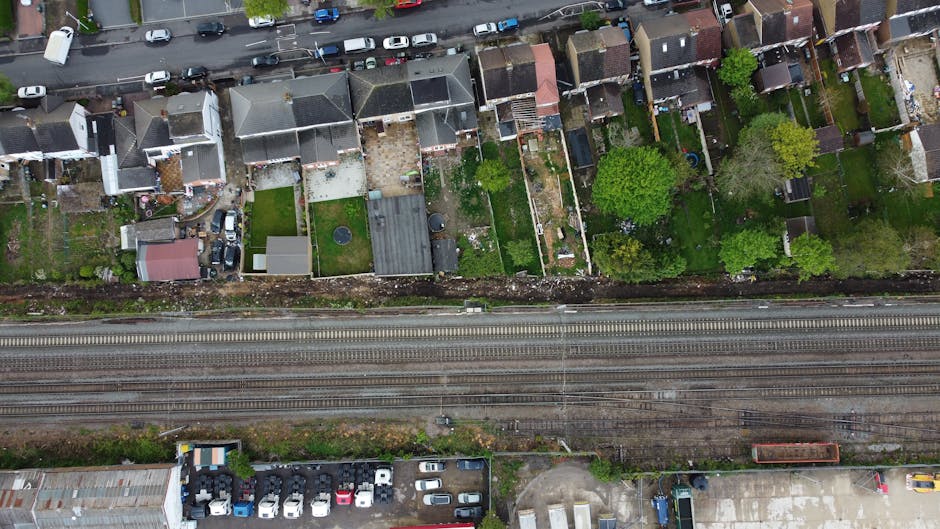
Garden maintenance near Sydenham Station SE26: a practical local guide for tidy, healthy outdoor spaces
If your garden near Sydenham Station SE26 is starting to feel a bit wild around the edges, you are not alone. London gardens can go from neat to neglected surprisingly fast, especially when work, travel, family life, and a few rainy weeks all pile up. Garden maintenance near Sydenham Station SE26 is really about keeping that outdoor space usable, healthy, and easy to enjoy without it becoming another weekend chore. Whether you have a compact courtyard, a shared front garden, or a leafy back space that needs regular attention, the right maintenance plan makes a big difference.
In this guide, we will look at what garden maintenance involves, how it typically works, what to watch out for, and how to decide which services make sense for your property. You will also find a practical checklist, a comparison table, and some plain-English advice on standards, safety, and planning. Nothing flashy. Just useful, local-minded information that helps you make a sensible decision.
One quick note before we get into it: a well-kept garden does not need to be perfect. Honestly, that would be a bit much. It just needs to be under control, healthy, and welcoming.
Table of Contents
- Why Garden maintenance near Sydenham Station SE26 Matters
- How Garden maintenance near Sydenham Station SE26 Works
- Key Benefits and Practical Advantages
- Who This Is For and When It Makes Sense
- Step-by-Step Guidance
- Expert Tips for Better Results
- Common Mistakes to Avoid
- Tools, Resources and Recommendations
- Law, Compliance, Standards, or Best Practice
- Options, Methods, or Comparison Table
- Case Study or Real-World Example
- Practical Checklist
- Conclusion
- Frequently Asked Questions
Why Garden maintenance near Sydenham Station SE26 Matters
Garden maintenance matters for the same reason a good haircut matters: not because anyone is keeping score, but because it changes how the whole place feels. A tidy, well-maintained garden makes a home look cared for, easier to use, and less stressful to live with. Around Sydenham Station SE26, where many homes have limited outdoor space and busy daily routines, that matters even more.
Overgrown lawns, uneven hedges, and falling leaves are not just cosmetic issues. They can make paths slippery, hide pests, crowd planting beds, and create a feeling of clutter that spreads into the rest of the property. Small issues also become bigger jobs quickly. A hedge left for one season can be much harder to shape neatly later. A lawn left too long may thin out, patch up, or become full of thatch. A border full of weeds can take far longer to recover than one that is regularly checked.
There is also the simple reality of time. Many people want the garden to be ready for weekends, children, pets, visitors, or just five quiet minutes with a cup of tea. Good maintenance keeps the space ready. It stops the garden from becoming a project that never quite gets finished.
If you are already thinking about broader outdoor improvements, it can help to view maintenance alongside related services such as garden maintenance support, lawn mowing, and hedge trimming. That way, you are not just reacting to mess; you are building a routine that keeps everything easier over time.
How Garden maintenance near Sydenham Station SE26 Works
Garden maintenance is usually a combination of recurring care and occasional heavier work. The exact plan depends on the garden's size, planting style, current condition, and how much you want done. For some people, it is a weekly mow and a quick tidy-up. For others, it is a seasonal programme with pruning, edging, weeding, leaf clearance, and checks for problem growth.
In practice, a maintenance visit often starts with a quick assessment. What is growing too fast? What needs cutting back? What has become unsafe, untidy, or simply out of control? From there, the work is broken into manageable tasks. A typical visit may include:
- grass cutting and edging
- hedge trimming and shaping
- weeding beds, borders, and paving gaps
- leaf clearing and green waste removal
- light pruning of shrubs and small trees
- deadheading and general plant tidying
- basic checks for damage, disease, or drainage issues
The key is consistency. A garden that is maintained regularly tends to need lighter intervention each time. That can be more efficient, less disruptive, and frankly less expensive than letting everything build up and then dealing with a giant clean-up.
Many homeowners also ask whether garden maintenance is the same as landscaping. Not quite. Maintenance keeps the garden healthy and tidy. Landscaping is usually about changing the structure, layout, or appearance more substantially. If your outdoor space needs both care and redesign, it may be worth looking at landscaping or landscape gardening alongside routine upkeep.
Key Benefits and Practical Advantages
The benefits of regular garden care are easy to see once the work has been done, but there is more going on than neat edges and fresh greenery. Here are the main practical advantages.
- Better curb appeal: A tidy front or back garden makes the whole property look more cared for. That can matter whether you are living there long-term or preparing for a sale or rental.
- Healthier planting: Regular pruning, deadheading, and weed control give shrubs and plants more room, light, and airflow.
- Safer access: Fewer overgrown paths, fewer slippery leaves, and less chance of hidden trip hazards.
- Less weekend catch-up: Small, regular jobs are much easier to handle than one exhausting clear-out every few months.
- Better seasonal rhythm: Gardens near Sydenham Station SE26 tend to show the difference between winter, spring, and summer quickly. Maintenance keeps the garden in step with the weather.
- More usable space: A maintained garden feels bigger. That sounds odd, but it is true. When edges are defined and clutter is removed, the space opens up.
There is a quieter benefit too. When the garden is under control, it stops nagging at you. You notice it when it is messy, sure, but you also feel the relief when it is finally sorted. That is worth something.
Expert summary: the best garden maintenance is not the most dramatic one. It is the one that keeps your garden steadily healthy, manageable, and ready to enjoy without turning every visit into a full-day job.
Who This Is For and When It Makes Sense
Garden maintenance near Sydenham Station SE26 makes sense for a wide range of households and property types. You do not need a large garden to benefit. In fact, smaller gardens often need more regular attention because clutter and growth show up faster in compact spaces.
This service is especially useful if you:
- have a busy schedule and cannot keep up with garden tasks every week
- struggle with physically demanding work such as hedge cutting, digging, or lifting green waste
- have moved into a property where the garden needs a reset
- want your front garden to stay smart and presentable
- manage a rental property or shared outdoor area
- have mature planting that needs careful, informed attention
- need seasonal clear-ups after heavy leaf fall or fast spring growth
It also makes sense if you are trying to avoid the stop-start cycle. You know the one: let the lawn go a little too long, ignore the border weeds, promise yourself you will deal with it next weekend, then suddenly the job is twice as big. Happens to the best of us.
If the garden has become overwhelmed, a one-off visit may need to be paired with garden clearance first. Once the space is back under control, routine maintenance becomes much easier to keep up.
Step-by-Step Guidance
If you are planning proper garden care rather than a quick tidy, it helps to think in stages. Here is a sensible way to approach it.
- Walk the garden slowly. Notice what is overgrown, damaged, patchy, unsafe, or simply untidy. Look at paths, fences, edges, planting beds, and hidden corners.
- Separate urgent work from routine work. A dangerous branch, blocked path, or badly overgrown hedge may need attention before anything else. Routine mowing can come later.
- Decide what must stay and what can go. Some plants just need trimming. Others may need thinning, lifting, or removal. If in doubt, ask before cutting hard into mature shrubs.
- Set a realistic maintenance rhythm. Weekly, fortnightly, monthly, or seasonal depends on the garden. Lawns usually need more frequent care in growing months; hedges and shrubs often need less frequent but more considered attention.
- Start with the structure. Clear paths, cut grass, define edges, and remove obvious waste first. A garden usually looks better quickly once the basic structure is back.
- Finish with the detail. Weed the borders, neaten pots, sweep paving, and check for any missed areas. This is where a garden goes from "done" to genuinely pleasant.
- Review the result after a few days. A small area may need a final tweak once cuttings settle and the light changes. Early evening light can show rough edges, oddly enough.
A good maintenance routine should feel repeatable. If every visit feels like a rescue mission, the plan is too loose. If every visit feels manageable, you are on the right track.
Expert Tips for Better Results
Here is where a bit of experience helps. The difference between average garden maintenance and really solid garden maintenance often comes down to small decisions made consistently.
1. Do less, but do it more often
That sounds obvious, yet it is the biggest win for most gardens. Short, regular visits keep plants tidy, lawns healthy, and borders under control. The work is lighter, and the garden does not go through dramatic highs and lows.
2. Cut hedges at the right time for the plant, not just the calendar
Different hedge types behave differently. Some respond well to regular trimming; others prefer less frequent, more thoughtful shaping. If you cut too hard too late, you can expose bare patches or stress the plant. A careful trimming plan matters more than people realise.
3. Watch the lawn after rain
Wet grass can tear instead of cutting cleanly. That leaves the lawn looking ragged and can make the surface more vulnerable. On damp mornings, especially after a typical London shower, it is often better to wait if the lawn is too soft.
4. Keep an eye on the edges
Edges make gardens look finished. Even if the main work is simple, crisp lawn lines, clean path edges, and swept borders can lift the whole space. It is a small thing, but it changes the feel immediately.
5. Don't let leaf fall sit too long
Leaves are natural, of course, but left on paths and lawns they can create slick patches, trap moisture, and hide developing issues. Seasonal clear-up is one of those jobs that feels minor right up until it is not.
If you want a cleaner long-term result, it can also help to build in work such as responsible garden waste recycling and occasional structural improvements through decking services or broader service planning. Not every garden needs everything, obviously, but a bit of joined-up thinking goes a long way.
Common Mistakes to Avoid
Most garden problems are not caused by one dramatic error. They come from a handful of small, repeated mistakes. The good news? They are easy enough to avoid once you know what to look for.
- Leaving work too long: This is the classic one. Growth gets ahead of you and the job becomes harder than it needed to be.
- Cutting too much at once: Hedges, shrubs, and some plants can be damaged by over-pruning. Gradual shaping is usually safer.
- Ignoring waste removal: Cuttings, leaves, and dead material left behind make even tidy work look unfinished.
- Using the wrong mower height: Scalping grass can stress the lawn. Too high, and it can look shaggy and uneven.
- Forgetting the hidden areas: Behind sheds, under shrubs, along side return paths-these spots often tell the truth about whether a garden is really maintained.
- Assuming all plants want the same treatment: They do not. A mixed garden needs a mixed approach.
Another common issue is trying to do a huge amount in one go, then burning out and leaving the rest. Better to complete three sensible tasks than start ten and finish two. That sounds blunt, but it is usually what saves the garden in the long run.
Tools, Resources and Recommendations
You do not need a warehouse of specialist kit for good garden care. In many cases, the basics are enough. The right tools just need to be in decent condition and used properly.
| Task | Useful tools | What to check before use |
|---|---|---|
| Lawn care | Mower, edging tool, rake | Blade sharpness, cutting height, wet grass conditions |
| Hedge trimming | Hedge trimmer, hand shears, ladder where safe | Stable footing, clear cutting path, nearby obstacles |
| Weeding and borders | Hand fork, hoe, gloves, bucket | Root depth, soil moisture, hidden debris |
| Leaf and waste clearance | Rake, bags, wheelbarrow, brush | Bag strength, safe lifting, disposal plan |
| General tidy-up | Sweeper, secateurs, pruning saw | Clean blades, safe handling, plant-specific pruning needs |
If you are arranging professional work, a useful question is not just "what tools do you use?" but "how do you decide what needs attention first?" That answer usually tells you a lot. Good operators think in priorities, not just tasks.
It is also wise to ask about insurance, safety practices, and what happens to waste. Those are not fussy questions. They are basic due diligence. A service that takes them seriously usually takes the work seriously too. For more on that side of things, see insurance and safety information and the company's health and safety policy.
Law, Compliance, Standards, or Best Practice
Garden maintenance is not the same as a heavily regulated trade, but there are still important standards and best practices to respect. If you are hiring someone, or managing a property with outdoor space, you should expect sensible care around safety, waste handling, and respectful working methods.
A few practical points stand out in the UK context:
- Waste should be handled properly: Cuttings, branches, soil, and mixed garden waste should not be dumped casually. Responsible removal and recycling are part of good practice.
- Work should be carried out safely: That means using the right equipment, taking care on ladders and uneven ground, and not rushing awkward cuts.
- Property boundaries should be respected: Overhanging branches, shared fences, and access issues should be discussed rather than guessed at.
- Wildlife awareness matters: Before major pruning or clearance, it is sensible to check for nesting birds or disturbed habitats and avoid unnecessary damage.
- Clear terms help everyone: Scope, timing, access, payment, and cancellation expectations should be understood before work starts.
There is also a sustainability angle. Many people in local residential areas want garden work done in a way that reduces waste where possible. That may mean composting some material, recycling green waste, or planning maintenance more efficiently so less gets cut than necessary. You can read more about this approach on the recycling and sustainability page.
Truth be told, the best standard is often simple: do the job carefully, leave the site tidy, and don't create extra problems while trying to solve the first one.
Options, Methods, or Comparison Table
Different gardens need different levels of input. If you are deciding what to book, this comparison may help.
| Option | Best for | Pros | Limitations |
|---|---|---|---|
| One-off tidy-up | Overgrown or neglected gardens | Fast reset, visible improvement | Can slip back without follow-up care |
| Regular maintenance visit | Homes that need ongoing care | Predictable, easier to manage, lighter work each visit | Requires consistency and scheduling |
| Seasonal maintenance | Lower-growth gardens or occasional owners | Good for spring and autumn tasks | May not suit fast-growing lawns or hedges |
| Maintenance plus clearance | Very busy, cluttered, or newly purchased gardens | Resets the space properly before routine care begins | Usually more work upfront |
If your garden only needs attention a few times a year, a seasonal approach may be enough. If the lawn races ahead every couple of weeks and the hedge seems to have its own plans, regular maintenance is usually the better fit. There is no universal answer, which is slightly annoying but also realistic.
Case Study or Real-World Example
Imagine a typical rear garden near Sydenham Station SE26: a medium-sized space with a lawn, a few shrubs, paving at the back, and one hedge that has been left to its own devices for a while. By late spring, the grass is long, weeds are creeping through the edge of the path, and the hedge is beginning to block light to the seating area.
The first visit focuses on the visible structure. The lawn is cut, the edges are redefined, the hedge is brought back to a sensible shape, and the weeds are cleared from the path and borders. Dead material is removed, and the garden waste is taken away. Straight away, the space feels lighter. You can see the shape of the garden again.
A follow-up maintenance plan then changes the pattern. Instead of letting everything drift, the lawn is cut regularly, the hedge is checked before it gets leggy, and the borders are kept under control. Nothing dramatic. Just steady, practical work. By the end of the season, the garden is easier to live with and less expensive to maintain than it would have been if it had been left to run wild again.
That is the real win with good maintenance. Not perfection. Control.
Practical Checklist
Use this simple checklist when planning garden maintenance near Sydenham Station SE26.
- Check the lawn for height, patchiness, moss, or wet areas
- Inspect hedges and shrubs for overgrowth or uneven shaping
- Look for weeds in borders, paving joints, and fence lines
- Remove leaves, cuttings, and dead plant material
- Confirm whether any branches need pruning or safe removal
- Walk all paths and steps to spot slippery or hidden hazards
- Decide what should be kept, shaped, reduced, or cleared
- Confirm waste removal and recycling arrangements
- Set a frequency for the next visit
- Review whether any bigger improvements are needed later
Quick tip: if you are unsure whether the garden needs maintenance, clearance, or a larger redesign, start with the messiest part first. The answer usually becomes obvious after that.
If you are comparing providers, a good place to begin is the pricing and quotes page and the main about us information so you can understand the service approach before you move forward.
Get a free quote today and see how much you can save.
Conclusion
Garden maintenance near Sydenham Station SE26 is one of those services that quietly improves everyday life. It keeps the garden usable, helps plants stay healthy, reduces stress, and stops small jobs from becoming huge ones. For many households, the real value is not just the tidy finish. It is the sense that the garden is finally working with your routine instead of against it.
Whether you need a one-off reset, a regular mowing schedule, hedge care, or a broader maintenance plan, the best results usually come from steady attention and clear priorities. Start with what is most urgent, keep the rhythm realistic, and build from there. That approach tends to hold up well, even when the weather does its usual London thing.
A good garden does not need to shout. It just needs to feel looked after, and that feeling lasts.
Frequently Asked Questions
What does garden maintenance usually include near Sydenham Station SE26?
It usually includes lawn mowing, hedge trimming, weeding, leaf clearance, light pruning, edging, and general tidy-up work. Some gardens also need seasonal clearance or waste removal.
How often should garden maintenance be done?
That depends on the garden, the season, and how quickly things grow. Many gardens benefit from fortnightly or monthly visits during active growing periods, while others only need seasonal care.
Is garden maintenance the same as landscaping?
No. Garden maintenance is about keeping the current space tidy and healthy. Landscaping usually means changing the layout, structure, or design more substantially.
Can I book garden maintenance if my garden is overgrown?
Yes, but a very overgrown garden may need a one-off clearance first before routine maintenance can begin. That usually makes the later work far easier.
What if I only need lawn mowing and not a full service?
That is common. Some properties only need lawn mowing and edging, while others need a wider maintenance plan. It depends on how the garden is used.
Do hedges and shrubs need different treatment?
Usually, yes. Different plants respond differently to cutting, so hedges and shrubs should be trimmed with their growth habit in mind rather than all treated the same way.
What happens to the garden waste?
That depends on the service arrangement, but responsible removal and recycling are generally considered best practice. It is worth confirming this before the work begins.
How do I know whether I need clearance or maintenance?
If the garden is mostly tidy but needs regular care, maintenance is usually enough. If it is heavily cluttered, badly overgrown, or hard to access, clearance may be the better first step.
Are there safety issues I should ask about?
Yes. Ask about safe equipment use, ladder work, waste handling, and insurance. Those basics matter, especially if the garden has uneven ground, height work, or awkward access.
Can garden maintenance improve property value?
It can improve presentation and perceived care, which often helps when a property is viewed. It is not a guarantee of value, of course, but first impressions do matter.
What is the best time of year for garden maintenance?
There is no single best time. Spring and autumn are often busy because of growth and leaf fall, but regular maintenance throughout the year usually gives the best result overall.
How do I choose the right level of service?
Think about how much time you have, how fast the garden grows, and whether the space needs a simple tidy or a more substantial reset. If you are unsure, start with a practical review and build from there.